
Watch leading breast cancer cryoablation experts share their knowledge
Following strong interest at this year’s American Society of Breast Surgeons meeting, IceCure is pleased to share the recording of its ASBrS symposium on the role of cryoablation in the de-escalation of breast cancer care.
Complete the form to watch the symposium recording ⇒
The symposium presents the clinical rationale and supporting evidence for cryoablation in women aged 70 years and older with biologically low-risk, early-stage breast cancer receiving adjuvant endocrine therapy. It also explores the role of cryoablation within a multidisciplinary de-escalation clinic and includes guidance on interpreting post-cryoablation imaging.
Gain perspectives from experienced breast surgeons and radiologists. In addition, learn about image-guided breast procedures and the evolving role of minimally invasive cryoablation in early-stage breast cancer management.
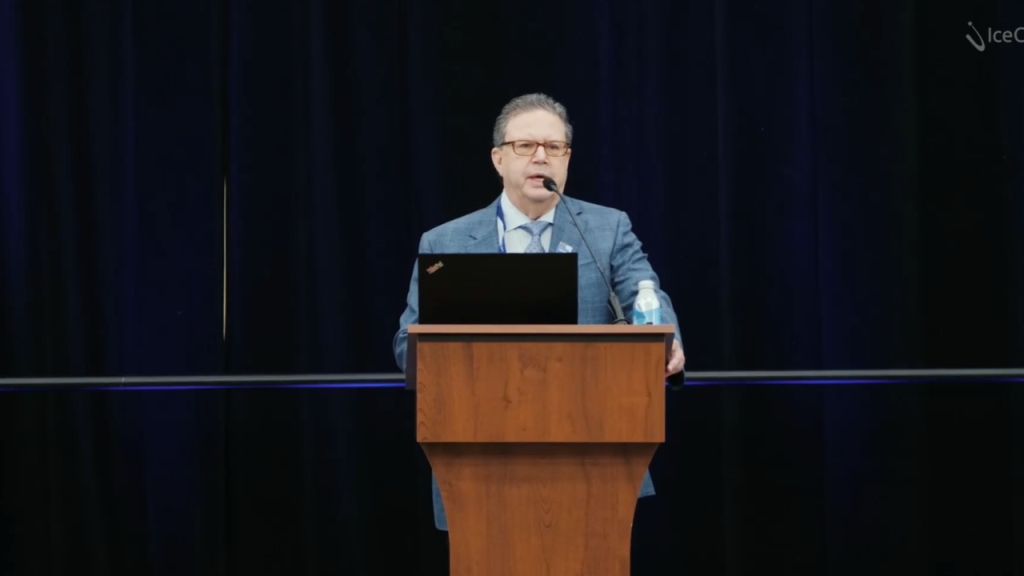
Richard E. Fine, MD, FACS
Unlocking de-escalation of Care: Cryoablation for Breast Cancer
Breast Oncology Surgeon,
Director of the Margaret West Comprehensive Breast Center
West Cancer Center & Research Institute, Germantown, TN
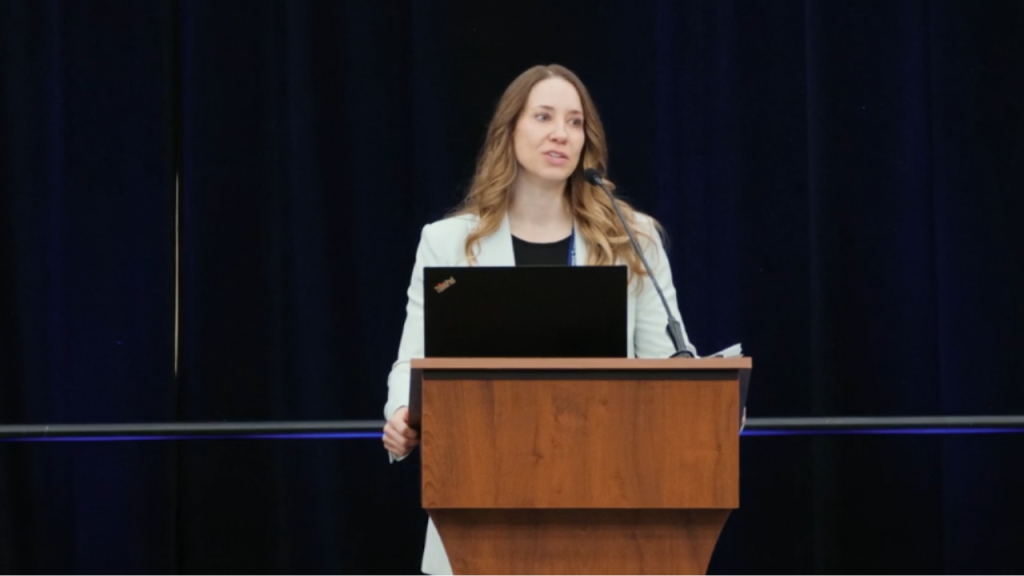
Lauren Kopicky, DO FACS FACOS
Cryoablation in the treatment of breast cancer: evidence to date
Breast Surgical Oncologist, Cleveland Clinic
Assistant Professor of Surgery, Cleveland Clinic Lerner College of Medicine
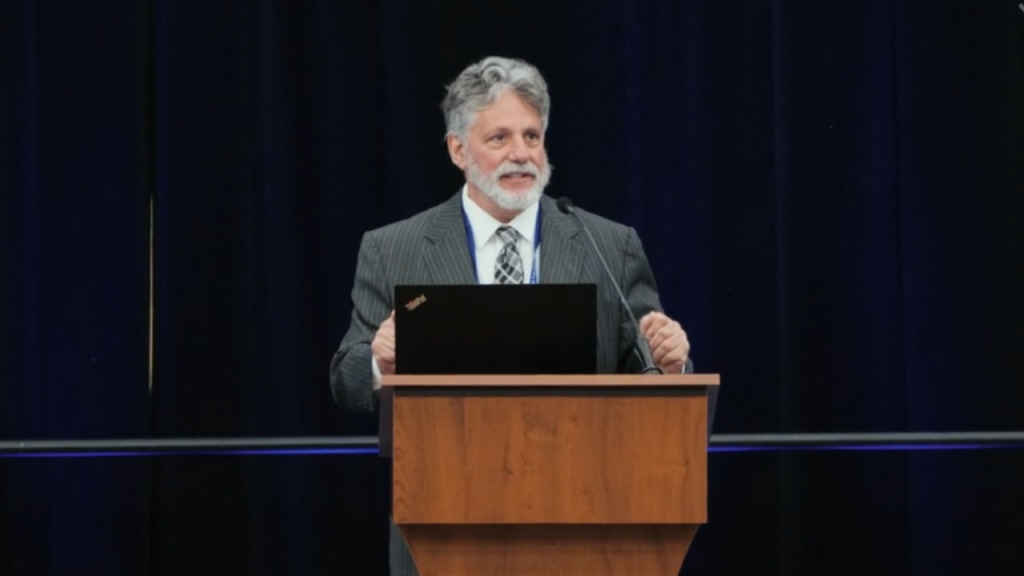
Michael S. Sabel, MD, FACS, FSSO
Cryoablation and the mutlidisciplinary de-escalation clinic
William W. Coon Collegiate, Professor of Surgical Oncology,
University of Michigan
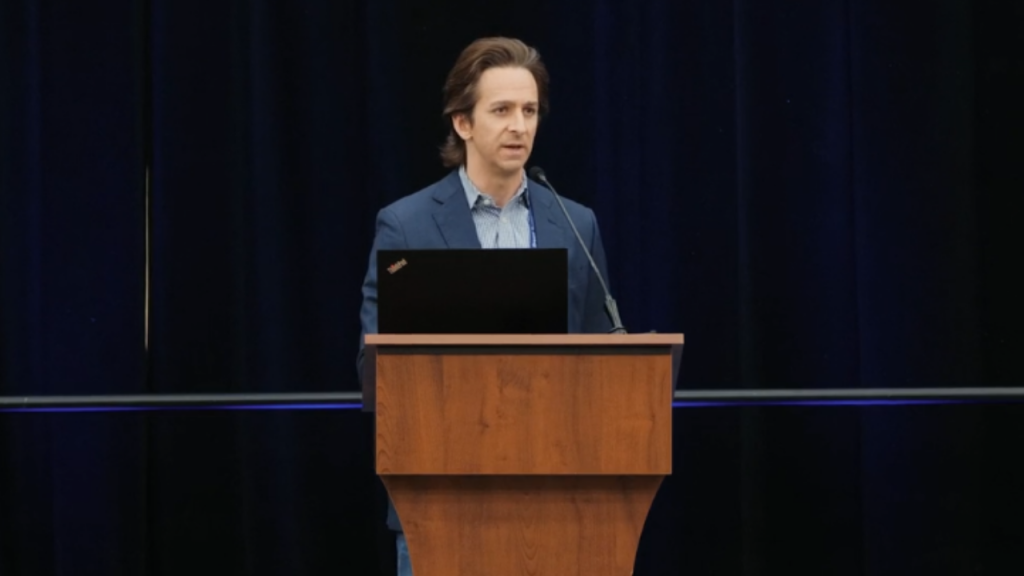
Robert C. Ward, MD
Breast cancer cryoablation: follow-up imaging
Associate Professor of Radiology, The Warren Alpert Medical School of Brown University, Associate Chief, Dept. of Radiology Women & Infants Hospital
Considerations for adding breast cancer cryoablation to your practice
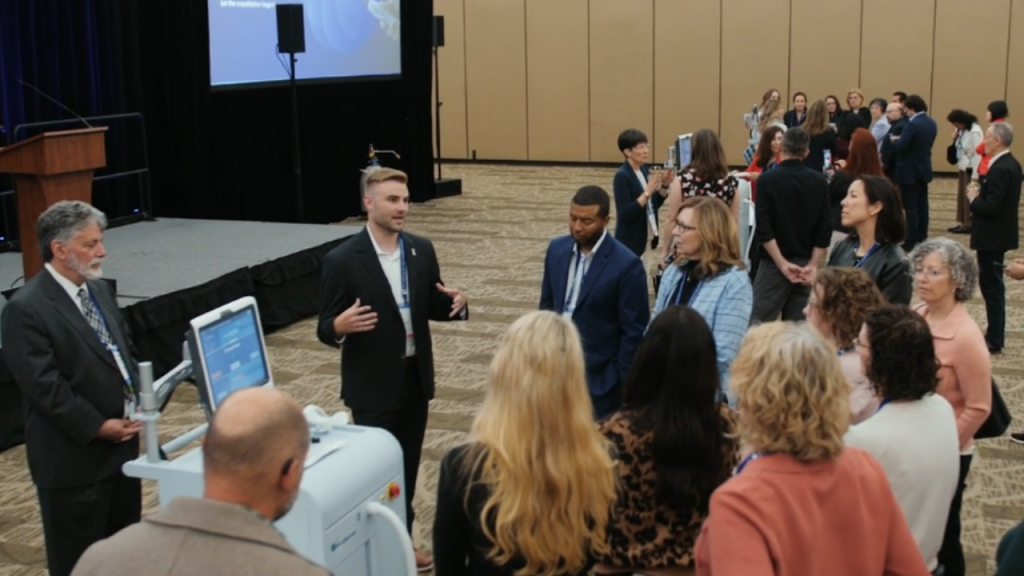
This symposium provides clinically relevant perspectives on feasibility, outcomes, and integration of cryoablation into your practice. Furthermore, it is ideal for clinicians evaluating minimally invasive local treatment strategies for selected patients with hormone receptor-positive, HER2-negative breast cancer.
Patient selection and treatment rationale. Review the clinical characteristics of patients considered appropriate for cryoablation. This includes tumor biology, lesion size, imaging visibility, and the role of endocrine therapy in a de-escalated treatment paradigm.
Review of clinical evidence supporting breast cancer cryoablation. The symposium reviews seminal clinical studies evaluating cryoablation for early-stage breast cancer, including ASOCOG Z1072, FROST, and ICE3. Currently, ICE3 provides the most mature long-term data in a low-risk patient population receiving endocrine therapy. Together, these studies help define the evolving evidence base for patient selection, local control, safety, and follow-up.
Procedural and follow-up considerations. Hear expert perspectives on technique, workflow, peri-procedural management, and post-ablation imaging assessment to support implementation in clinical practice.
About IceCure’s ProSense® Cryoablation System:
Learn how our liquid nitrogen-based ProSense® cryoablation technology destroys targeted tissue through a minimally invasive, image-guided approach performed under local anesthesia in an office-based setting. ProSense is the first-and-only medical device cleared by the FDA for the local treatment of low-risk breast cancer in women aged 70 and up who receive endocrine therapy.
Complete the one this page to access the full recording of the ASBrS symposium. Learn more about the clinical use of ProSense® for the local treatment of biologically low-risk breast cancer in women aged 70 years and older receiving adjuvant endocrine therapy.
This symposium was supported by IceCure Medical through a marketing grant. It was not part of the official ASBrS Annual Meeting program, and no AMA PRA Category 1 Credits™ are assigned to it by the ASBrS.